Embarking on the journey of growing your own produce is a profoundly rewarding experience, and few plants offer the immediate gratification and versatile appeal of spring onions. Also known as scallions or green onions, these slender, flavorful alliums are a gardener's dream: low-maintenance, fast-growing, and surprisingly space-efficient. Whether you're a seasoned green thumb or just starting your gardening adventure, mastering **spring onion planting** from seeds, sets, or even regrowing store-bought roots will provide a continuous supply of fresh, zesty flavor for your culinary creations.
Why Grow Your Own Spring Onions? The Undeniable Benefits
Beyond the sheer satisfaction of harvesting food you've grown yourself, cultivating spring onions at home offers a plethora of practical advantages. They demand minimal space, making them ideal for container gardening on a balcony, windowsill, or a small garden plot. Their rapid growth cycle means you won't have to wait long to enjoy your first harvest, typically within 6-8 weeks. Furthermore, the ability to regrow them multiple times from a single plant or even kitchen scraps makes them incredibly cost-effective and a sustainable choice for any home.
Understanding Spring Onion Varieties
Before you dive into **spring onion planting**, it's helpful to know the two primary types you might encounter, as your choice can influence your harvesting strategy:
- Bunching Onions (Allium fistulosum): These are the classic spring onions that never form a large bulb. They are specifically bred for their green tops and small white bases, making them perfect for continuous "cut-and-come-again" harvesting. If your goal is a steady supply of greens, bunching onions are your best bet.
- Bulbing Onions (Allium cepa): These are regular onion varieties harvested early, before their bulbs fully develop. While they can be used as spring onions, their ultimate purpose is typically to form a mature bulb. They can still provide delicious green tops, but if you frequently harvest the greens, you might sacrifice the bulb's development.
For the easiest and most productive continuous harvest, especially for beginners focusing solely on the green tops, we highly recommend choosing bunching onion seeds or sets.
Getting Started: Choosing Your Spring Onion Planting Method
One of the beauties of growing spring onions is the flexibility in how you can start them. You have three main options: planting seeds, using small bulbs called sets, or even regrowing the roots from store-bought spring onions. Each method has its own advantages, catering to different preferences for speed, cost, and convenience. For a comprehensive look at the different starting points, you can delve deeper into
Plant Spring Onions: Seeds, Sets, or Store-Bought Roots?.
Method 1: Growing Spring Onions from Seeds
Starting from seeds is the most economical way to grow spring onions, offering a wide range of varieties and the satisfaction of nurturing plants from their very beginning.
Timing Your Seed Sowing
The ideal time for outdoor **spring onion planting** from seed is when the soil becomes workable in spring, typically April or May in the northern hemisphere, when temperatures consistently range between 50°F (10°C) and 68°F (20°C). In warmer climates, you might start even earlier.
Alternatively, for an earlier harvest, you can start seeds indoors in containers or a greenhouse 10-12 weeks before your last anticipated frost. Transplant these seedlings outdoors 4-6 weeks before the final frost. For a continuous supply throughout the growing season, practice succession planting: sow new seeds every 2 weeks from spring through early fall. This ensures you'll always have tender greens ready for harvest. To truly master this technique, check out
Grow Spring Onions All Season: Secrets to a Steady Supply.
Step-by-Step Seed Planting Guide
- Prepare the Soil: Choose a sunny location that receives at least 6 hours of direct sunlight daily. Spring onions thrive in well-draining, nutrient-rich soil. A blend of compost and sandy loam is ideal, ensuring it's loose and free of rocks to allow for easy root development.
- Sow the Seeds: Plant seeds shallowly, about ¼ inch (0.5 cm) deep and 1 inch (2.5 cm) apart. If planting in rows, leave about 6 inches (15 cm) between rows to provide ample space for growth and air circulation.
- Water and Nurture: Keep the soil consistently moist but never waterlogged. Overly wet conditions can lead to rot. Germination typically occurs within 7-14 days, depending on temperature and moisture levels.
Method 2: Quick Harvest with Onion Sets
If you're looking for a faster turnaround from planting to plate, onion sets are an excellent choice. These are small, immature onion bulbs that quickly sprout into spring onions.
Selecting and Planting Onion Sets
- Choose Quality Sets: Purchase small, firm onion sets that show no signs of mold, rot, or damage. Smaller sets (about ½ inch in diameter) are often preferred for spring onions as they are less likely to "bolt" (go to seed) prematurely.
- Plant with Care: Place each set 1 inch (2.5 cm) deep in the soil, with the pointy side facing upwards. Space them about 2 inches (5 cm) apart to allow for good air circulation and root development.
- Initial Watering and Ongoing Moisture: Water thoroughly immediately after planting. Maintain consistent soil moisture as the sets grow, but again, avoid oversaturation.
Method 3: Regrowing Spring Onions from Scraps
This is perhaps the most satisfying and sustainable method, turning kitchen waste into fresh produce. It's incredibly simple and perfect for container gardening on a windowsill.
From Water to Soil: The Regrowing Process
- Initial Water Submersion: After using the green tops of your store-bought spring onions, save the white base with the roots intact (at least 1 inch of the base). Place this base in a small glass or jar with just enough water to submerge the roots. Position the container in a sunny spot.
- Transition to Soil for Longevity: Within 3-5 days, you'll observe new green shoots emerging from the center. While they can continue to grow in water for a short period, for stronger, more sustained growth and better flavor, it's best to transfer them to soil. Plant the regrown base directly into a pot or garden bed, ensuring the white base is covered and the new green shoots are exposed.
Essential Care for Thriving Spring Onions
Regardless of your chosen **spring onion planting** method, providing the right environmental conditions is paramount for a healthy, flavorful harvest.
Sunlight Requirements
Spring onions are sun-lovers. They need at least 6 hours of direct sunlight per day to grow vigorously and develop their best flavor. While they can tolerate partial shade, their growth will be slower, and the greens might be less robust.
Ideal Soil Conditions
Beyond good drainage, spring onions prefer soil rich in organic matter. This helps retain moisture while preventing waterlogging and provides essential nutrients. A soil pH between 6.0 and 7.0 (slightly acidic to neutral) is ideal. Avoid heavy clay soils, which can compact and hinder root development, leading to stunted growth or rot.
Watering Wisdom
Consistent moisture is key for spring onions. The soil should be kept moist, but never soggy. Water 2-3 times per week, increasing frequency during hot, dry spells. A simple finger test—sticking your finger about an inch into the soil—can tell you if it's time to water. If it feels dry, it's time to hydrate.
Fertilization for Vigorous Growth
Spring onions are primarily grown for their leafy greens, which benefit significantly from nitrogen. Incorporate a nitrogen-rich fertilizer every 2-3 weeks. Options include fish emulsion, compost tea, or a balanced organic fertilizer with a higher first number (e.g., 5-1-1). Always follow product instructions to avoid over-fertilizing, which can burn the plants.
Pest and Disease Watch
Spring onions are generally quite resilient. However, keep an eye out for common garden pests like onion thrips or allium leaf miners. Healthy, vigorous plants are less susceptible. Ensure good air circulation (which proper spacing helps with) to prevent fungal issues like downy mildew, especially in humid conditions.
Harvesting Your Bounty & Ensuring a Continuous Supply
One of the most exciting aspects of **spring onion planting** is the harvest! Spring onions are typically ready in 6-8 weeks from seed, or even sooner from sets or regrown roots.
When Are They Ready?
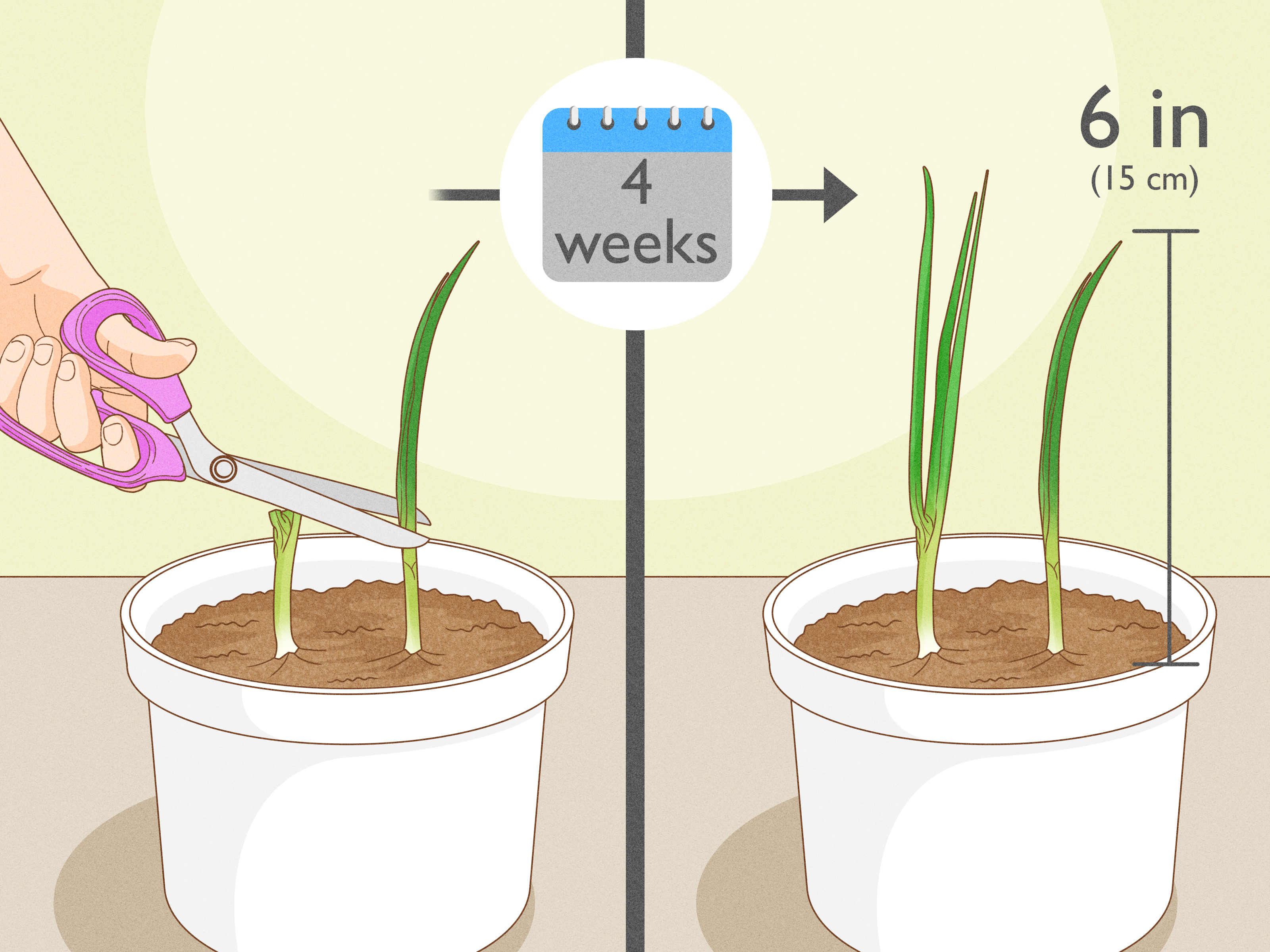
You can start harvesting spring onions when the green tops are about 6-8 inches (15-20 cm) tall and about pencil-thick. Younger, thinner greens will be milder, while thicker ones will have a more pronounced onion flavor.
Harvesting Techniques
- Cut-and-Come-Again Method: This is ideal for bunching onions and regrown spring onions. Snip the green tops about 1-2 inches (2.5-5 cm) above the soil line. The plant will regrow new greens, allowing for multiple harvests from the same plant. This method ensures a continuous supply.
- Full Harvest: If you need the entire spring onion (including the small white base), gently pull the plant from the soil. This method removes the plant completely, so for a continuous supply, you'll need to plant new seeds or sets.
Common Spring Onion Planting Pitfalls to Avoid
While spring onions are forgiving, a few common mistakes can hinder your success.
- Planting Too Deep: Seeds should be shallowly sown (¼ inch). Planting them too deep can prevent germination or lead to weak seedlings. Sets should also be just barely covered.
- Overcrowding: While spring onions don't need a lot of space, too many plants packed together will compete for nutrients, light, and air, resulting in smaller, less vigorous growth and increasing the risk of disease. Adhere to recommended spacing.
- Insufficient Sunlight: Not providing at least 6 hours of direct sun will lead to leggy plants with weaker flavor.
- Inconsistent Watering: Both extreme dryness and waterlogging are detrimental. Aim for consistently moist, but not soggy, soil.
- Poor Soil Drainage: Heavy, compacted soils will retain too much water, suffocating roots and causing rot. Always ensure your soil is well-amended and drains freely.
Mastering **spring onion planting** is a gateway to fresher, more flavorful cooking and a deeper connection to your food source. With their ease of growth, minimal space requirements, and the exciting prospect of continuous harvesting, spring onions are a fantastic choice for any home gardener. By following these simple guidelines, you'll be enjoying your own homegrown, crisp spring onions in no time, adding a vibrant touch to salads, stir-fries, and countless other dishes. Happy gardening!